


Filum diameter criticum est proprium filum aluminii mixturae glutinis
The wire diameter is a critical characteristic of aluminium offensionis filum , and it plays a significant role in determining the quality and effectiveness of the welding process. Here are some key characteristics related to the wire diameter in aluminum alloy welding:
Wire Diameter Options: Aluminum alloy welding wires come in a range of diameters, typically measured in inches or millimeters. The choice of wire diameter depends on several factors, including the welding process, base metal thickness, and the specific application.
Suitability for Material Thickness: The wire diameter should be selected to match the thickness of the aluminum being welded. Smaller diameter wires are generally used for thinner materials, while larger diameter wires are employed for thicker sections. Using an inappropriate wire diameter can result in poor weld quality and inadequate penetration.
Heat Input: The wire diameter affects the heat input into the weld. Thicker wires carry more current and can deposit more metal, leading to higher heat input. Thinner wires, on the other hand, carry less current and generate less heat. Welders opus est parametris glutino accommodare (ut celeritas voltage et filum cibarium) caloris initus temperare et aluminii aestuare vel subaustionem impedire.
Welding Position: The wire diameter can influence the welding position. Thicker wires may be better suited for flat and horizontal positions, where they can deposit more metal quickly. Thinner wires may be preferable for vertical and overhead welding, where precise control is necessary.
Deposition Rate: Thicker wire diameters can provide higher deposition rates, making them suitable for applications where speed is essential. Thinner wires, while slower in deposition, offer more control and are often used for intricate or precision welding.
Arc Stability: The wire diameter can affect arc stability during welding. Thicker wires tend to produce a more stable arc due to their increased current-carrying capacity. A stable arc is crucial for achieving consistent and high-quality welds.
Wire Feedability: Thicker wires can be more challenging to feed through welding equipment, especially in automated or semiautomated processes. Proper wire feeding systems and equipment adjustments are necessary to ensure smooth and reliable wire delivery.
Filler Metal Selection: Different wire diameters may be available for the same aluminum alloy. Electio diametri filum cum spherula metalla suadeo alignare debet pro aluminio specifico stannum ut convenientiae et optimae glutino effectus curet.
Cost Considerations: The cost of welding wire can vary with diameter. Fila crassiora typice constant plus quini vel kilogramme, unde Gravis est electum diametri aequivalere cum quantitatibus rei sumptus.
In summary, the selection of the appropriate wire diameter is crucial in aluminum alloy welding. It influences heat input, deposition rate, and welding position, all of which impact the quality and efficiency of the weld. Welders et fabricatores diligenter considerare debent crassitudinem materialem, processus glutinosam, ac necessitates projecti specificas eligentes diametri filum rectum pro applicationibus eorum aluminii glutino.
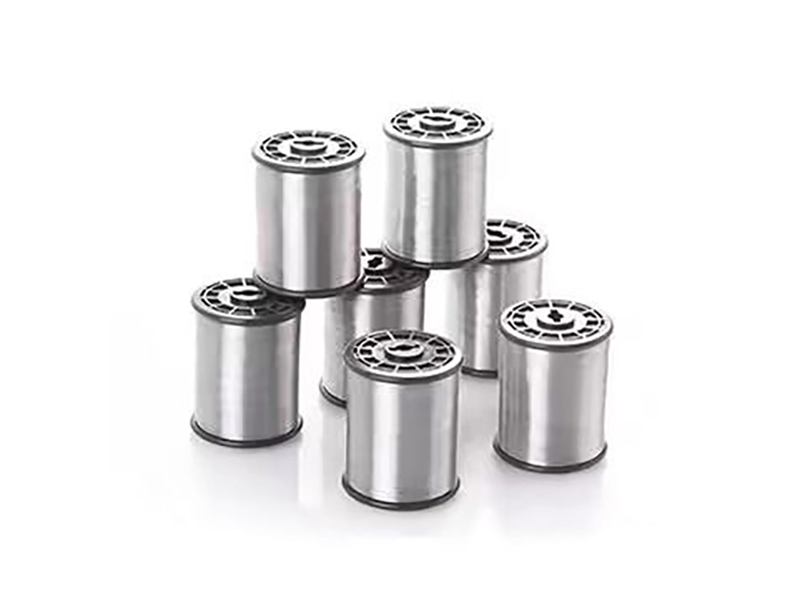
ALUMINIUM STAGNUM WELDING FILUM
ALUMINIUM STAGNUM WELDING FILUM
PREV:Optio gasi protegendi cum ER5754 conglutinationis filum aluminii glutino est factor criticus qui signanter afficit qualitatem pugillo
NEXT:ER5754 est aluminium mixturae filo glutino cum compositione certae formandae ad mixturae aluminii magnesii glutino.
NEXT:ER5754 est aluminium mixturae filo glutino cum compositione certae formandae ad mixturae aluminii magnesii glutino.
Related Products
-
 View More
5154 Aluminium Alloy Welding Wire
-
 View More
ER4043 Silicon Aluminium Welding Wire
-
 View More
ER4047 Aluminium Mig Welding Wire
-
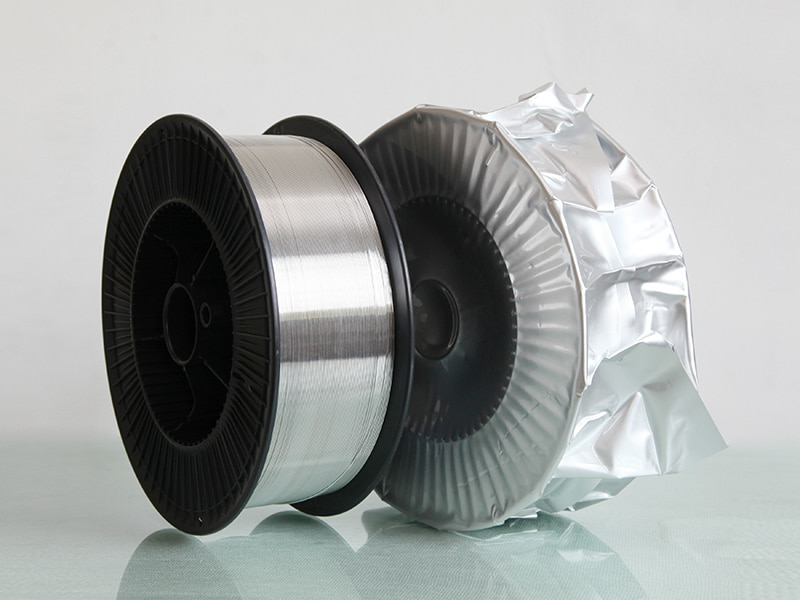 View More
ER5154 Al-Mg Alloy Wire
-
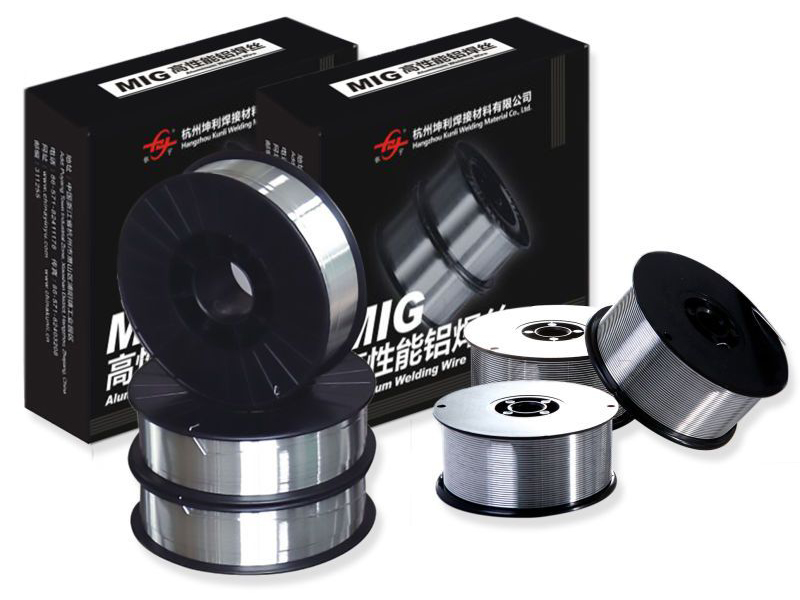 View More
Magnesium Aluminium Welding Wire
-
 View More
Aluminium Welding Wire ER5183
-
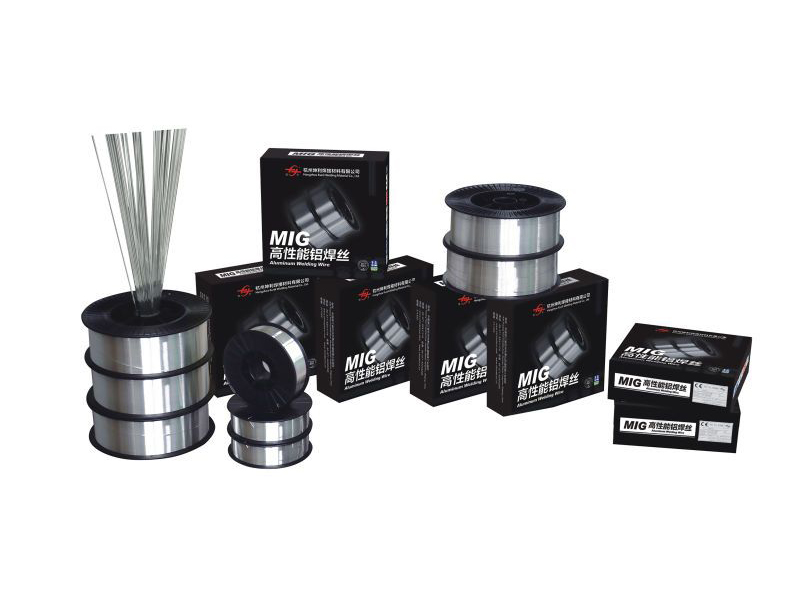 View More
Aluminium Welding Wire ER5356
-
 View More
ER5554 Aluminium Welding Wire
-
 View More
ER5556 Aluminium Welding Wire
-
 View More
ER1100 Aluminium Welding Wire
-
 View More
ER5754 Aluminium Welding Wire
-
 View More
ER2319 Aluminium Welding Wire

